 by
by Introduction
In today’s digital world, computers have become an essential part of our daily lives. Whether you’re studying, working, shopping, communicating, or entertaining yourself, computers make these tasks faster and easier. But have you ever wondered, what is a computer and how does it actually work? This guide explains everything in simple language.
What Is a Computer?
A computer is an electronic device that accepts data as input, processes it according to a set of instructions, stores the information, and produces meaningful output. It performs millions of calculations every second, making it one of the most powerful tools created by humans.
What Is a Computer?
Simply put, a computer helps users solve problems, manage information, and complete tasks efficiently.
How Does a Computer Work?
A computer works through four basic steps:
1. Input
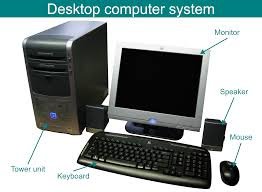
The computer receives data through input devices such as:
- Keyboard
- Mouse
- Scanner
- Microphone
- Webcam
2. Processing
The Central Processing Unit (CPU), often called the “brain of the computer,” processes the data according to programmed instructions.
3. Storage
The processed data is stored in memory devices like:
- Hard Disk Drive (HDD)
- Solid State Drive (SSD)
- RAM
- USB Flash Drive
4. Output
Finally, the computer displays the processed information through output devices such as:
- Monitor
- Printer
- Speakers
- Projector
What Is a Computer?
Main Components of a Computer
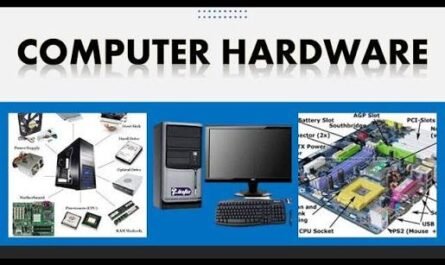
A computer consists of several important hardware components:
CPU (Central Processing Unit)
The CPU performs calculations and executes instructions.
Memory (RAM)
RAM temporarily stores data while programs are running.
Storage Device
Stores files, software, photos, videos, and documents permanently.
Motherboard
Connects all hardware components together.
Input Devices
Used to enter data into the computer.
Output Devices
Display or produce the results of processing.
Types of Computers
There are several types of computers designed for different purposes.
Desktop Computer
Used in homes, schools, and offices.
Laptop
Portable computer suitable for students and professionals.
Tablet
Touchscreen device ideal for reading, browsing, and entertainment.
Smartphone
A handheld computer capable of running applications and accessing the internet.
Supercomputer
Extremely powerful computers used for scientific research, weather forecasting, artificial intelligence, and space exploration.
Advantages of Computers
Computers offer many benefits, including:
- Fast processing speed
- High accuracy
- Large storage capacity
- Easy communication
- Online learning opportunities
- Entertainment and gaming
- Business management
- Data analysis
Uses of Computers
Computers are widely used in various fields.
Education
Students attend online classes, complete assignments, and conduct research.
Business
Companies use computers for accounting, inventory management, and communication.
Healthcare
Doctors maintain patient records, perform diagnoses, and manage hospital systems.
Banking
Banks use computers for online transactions and account management.
Science
Researchers analyze data and run simulations.
Entertainment
People watch movies, play games, edit videos, and stream music.

Characteristics of a Computer
Some important characteristics include:
- High Speed
- Accuracy
- Reliability
- Automation
- Large Storage Capacity
- Versatility
- Multitasking Ability
Limitations of a Computer
Although computers are powerful, they also have limitations:
- They cannot think independently.
- They rely on human instructions.
- They require electricity or battery power.
- They cannot make decisions based on emotions or common sense.
Importance of Computers in Modern Life
Today, computers have transformed almost every industry. They improve productivity, support innovation, simplify communication, and provide instant access to information worldwide. From students learning online to businesses operating globally, computers continue to shape the future of technology.
Conclusion
A computer is one of the most important inventions of modern civilization. It accepts data, processes it, stores information, and produces useful results quickly and accurately. Understanding the basics of computers helps students, professionals, and beginners build strong digital skills for education, careers, and everyday life. As technology continues to evolve, computer literacy will remain an essential skill for everyone.