 by
by SEO Title
Computer Organization and Design: Complete Guide to Computer Architecture and Hardware
Focus Keyword
Computer Organization and Design
SEO Meta Description
Learn Computer Organization and Design with this detailed guide. Explore computer architecture, CPU, memory, input/output devices, instruction sets, performance, and hardware components for BS Computer Science students.
URL Slug
computer-organization-and-design
Computer Organization and Design: A Complete Guide for BS Computer Science Students
Computer Organization and Design is one of the most important subjects in the Bachelor of Science (BS) Computer Science curriculum. It provides students with a deep understanding of how computer hardware works, how instructions are executed, and how different hardware components communicate with each other. A solid understanding of Computer Organization and Design enables students to write efficient programs, optimize system performance, and understand modern computing technologies.
This article explains Computer Organization and Design in detail, covering its concepts, architecture, components, memory hierarchy, instruction set architecture, processor organization, input/output systems, and performance evaluation.
What is Computer Organization and Design?
Computer Organization and Design is the study of the internal structure, architecture, and operation of computer systems. It explains how hardware components such as the CPU, memory, storage devices, buses, and input/output devices work together to execute software instructions.
While computer architecture focuses on the logical design and functionality of a computer system, computer organization deals with the physical implementation of these architectural concepts.

Objectives of Computer Organization and Design
The primary objectives include:
- Understand computer hardware architecture.
- Learn how processors execute instructions.
- Study memory hierarchy and storage systems.
- Analyze CPU performance.
- Understand instruction execution cycles.
- Learn data representation.
- Explore modern processor technologies.
- Improve programming efficiency.
Importance of Computer Organization and Design
Computer Organization and Design is essential because it:
- Helps software developers write optimized programs.
- Improves understanding of hardware limitations.
- Supports embedded system development.
- Assists in operating system design.
- Forms the foundation of computer architecture.
- Enables efficient hardware utilization.
- Enhances troubleshooting skills.
- Prepares students for careers in hardware engineering and system design.
Components of a Computer System
| Component | Function |
|---|---|
| CPU | Executes instructions |
| Memory | Stores programs and data |
| Input Devices | Receive user input |
| Output Devices | Display processed information |
| Storage Devices | Store permanent data |
| Bus System | Transfers data between components |
Central Processing Unit (CPU)
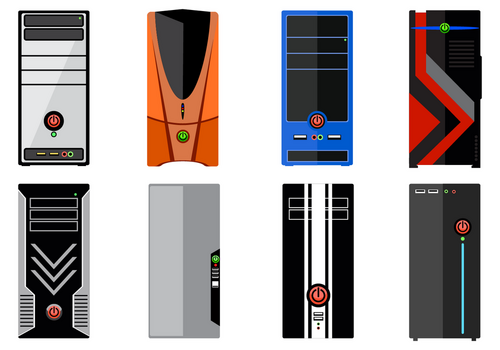
The CPU is the brain of the computer. It processes instructions and performs calculations.
Components of CPU
Arithmetic Logic Unit (ALU)
Functions include:
- Addition
- Subtraction
- Multiplication
- Division
- Logical operations
- Comparisons
Control Unit (CU)
The Control Unit:
- Fetches instructions
- Decodes instructions
- Controls execution
- Coordinates hardware
Registers
Registers are small, high-speed memory locations inside the CPU.
Examples include:
- Program Counter (PC)
- Instruction Register (IR)
- Memory Address Register (MAR)
- Memory Data Register (MDR)
- Accumulator
Instruction Cycle
The instruction cycle consists of four stages:
1. Fetch
The CPU fetches instructions from memory.
2. Decode
The control unit interprets the instruction.
3. Execute
The processor performs the required operation.
4. Store
Results are stored back into memory or registers.
Computer Architecture vs Computer Organization
| Computer Architecture | Computer Organization |
|---|---|
| Logical design | Physical implementation |
| Instruction Set Architecture | Hardware implementation |
| Programmer’s view | Engineer’s view |
| Software compatibility | Hardware efficiency |
Data Representation
Computers store all information using binary numbers.
Number Systems
- Binary (Base-2)
- Decimal (Base-10)
- Octal (Base-8)
- Hexadecimal (Base-16)
Binary Example
Decimal 15 = Binary 1111
Instruction Set Architecture (ISA)
Instruction Set Architecture defines how software communicates with hardware.
ISA includes:
- Instruction formats
- Addressing modes
- Registers
- Data types
- Machine instructions
Popular ISA examples include:
- ARM
- x86
- RISC-V
- MIPS
RISC vs CISC
| RISC | CISC |
|---|---|
| Simple instructions | Complex instructions |
| Faster execution | More powerful instructions |
| Fixed instruction size | Variable instruction size |
| ARM processors | Intel processors |
Memory Hierarchy
Memory hierarchy improves computer performance.
CPU Registers
      ↓
Cache Memory
      ↓
Main Memory (RAM)
      ↓
Secondary Storage (SSD/HDD)
Types of Memory
Cache Memory
- Fastest memory
- Located inside CPU
- Reduces processing time
Cache Levels
- L1 Cache
- L2 Cache
- L3 Cache
RAM
Random Access Memory stores temporary data.
Features:
- Volatile
- Fast
- Temporary
ROM
Read Only Memory stores firmware.
Features:
- Non-volatile
- Permanent
Secondary Storage
Examples:
- Hard Disk
- SSD
- USB Flash Drive
- DVD
Input Devices
Input devices send information to the computer.
Examples:
- Keyboard
- Mouse
- Scanner
- Microphone
- Webcam
Output Devices
Output devices display processed data.
Examples:
- Monitor
- Printer
- Speakers
- Projector
Bus Architecture
A computer bus transfers information between components.
Types include:
Data Bus
Transfers actual data.
Address Bus
Transfers memory addresses.
Control Bus
Transfers control signals.
Pipelining
Pipelining improves CPU performance by executing multiple instructions simultaneously.
Advantages:
- Higher speed
- Better CPU utilization
- Increased throughput
Parallel Processing
Modern computers use multiple processors or cores to execute tasks simultaneously.
Examples:
- Multi-core CPUs
- GPUs
- Supercomputers
Input/Output Organization
I/O organization manages communication between peripherals and the CPU.
Methods include:
- Programmed I/O
- Interrupt-driven I/O
- Direct Memory Access (DMA)
Performance Evaluation
Computer performance depends on:
- CPU clock speed
- Number of cores
- Cache size
- RAM capacity
- Storage speed
- Instruction execution time
Performance Formula:
CPU Time = Instruction Count × CPI × Clock Cycle Time
Advantages of Computer Organization and Design
- Better hardware understanding
- Improved programming skills
- Efficient system performance
- Enhanced troubleshooting
- Strong foundation for computer architecture
- Supports operating system development
- Useful for embedded systems
- Required for competitive exams and interviews
Applications
Computer Organization and Design is used in:
- Computer engineering
- Embedded systems
- Robotics
- Artificial Intelligence
- Cloud computing
- Mobile processors
- Gaming systems
- Data centers
- IoT devices
- High-performance computing
Career Opportunities
After mastering Computer Organization and Design, students can pursue careers as:
- Computer Hardware Engineer
- System Architect
- Embedded Systems Engineer
- Firmware Developer
- Computer Engineer
- Network Engineer
- Robotics Engineer
- FPGA Engineer
- VLSI Engineer
- Software Developer
Best Book Recommendation
Computer Organization and Design: The Hardware/Software Interface by David A. Patterson and John L. Hennessy is one of the most widely used textbooks for BS Computer Science students. It covers processor design, memory systems, instruction set architecture, pipelining, and modern computer architecture with practical examples.
Conclusion
Computer Organization and Design is the foundation of modern computing. It bridges the gap between hardware and software by explaining how processors, memory, buses, and input/output devices work together to execute programs efficiently. Mastering this subject helps BS Computer Science students build stronger programming skills, understand system performance, and prepare for advanced fields such as computer architecture, embedded systems, artificial intelligence, and cloud computing. A thorough understanding of these concepts is essential for anyone aiming to become a successful computer engineer or software professional.
Focus Keywords
- Computer Organization and Design
- Computer Organization
- Computer Design
- Computer Architecture
- CPU Organization
- Memory Hierarchy
- Instruction Set Architecture
- Computer Hardware
- Processor Design
- BS Computer Science
SEO Tags (10)
- Computer Organization and Design
- Computer Architecture
- CPU
- Memory Hierarchy
- Instruction Set Architecture
- Computer Hardware
- Processor Design
- Computer Science
- BS Computer Science
- Digital Computer
Important YouTube Lectures
- Neso Academy – Computer Organization & Architecture
https://www.youtube.com/results?search_query=Neso+Academy+Computer+Organization+and+Architecture - Gate Smashers – Computer Organization
https://www.youtube.com/results?search_query=Gate+Smashers+Computer+Organization - Knowledge Gate – Computer Organization & Architecture
https://www.youtube.com/results?search_query=Knowledge+Gate+Computer+Organization - Easy Engineering Classes – COA Playlist
https://www.youtube.com/results?search_query=Easy+Engineering+Classes+Computer+Organization - NPTEL Computer Organization and Architecture
https://www.youtube.com/results?search_query=NPTEL+Computer+Organization+Architecture - David Patterson Lectures (Computer Architecture)
https://www.youtube.com/results?search_query=David+Patterson+Computer+Architecture+Lecture
This blog naturally uses the focus keyword “Computer Organization and Design” in the SEO title, meta description, URL slug, introduction, headings, and throughout the content, making it well optimized for SEO.